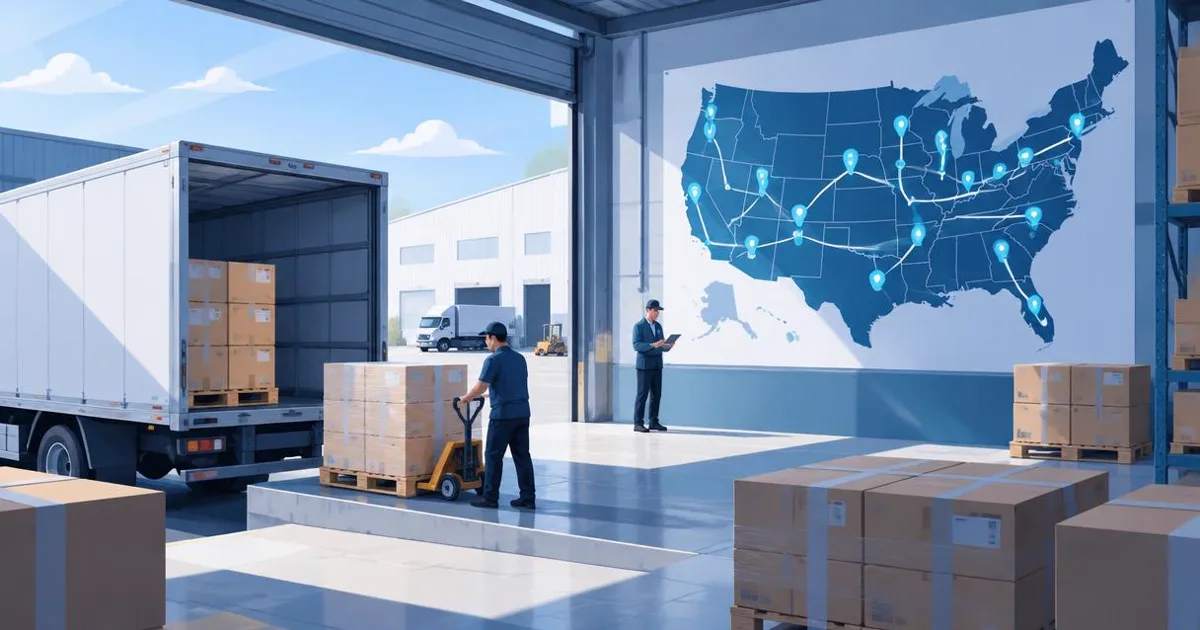
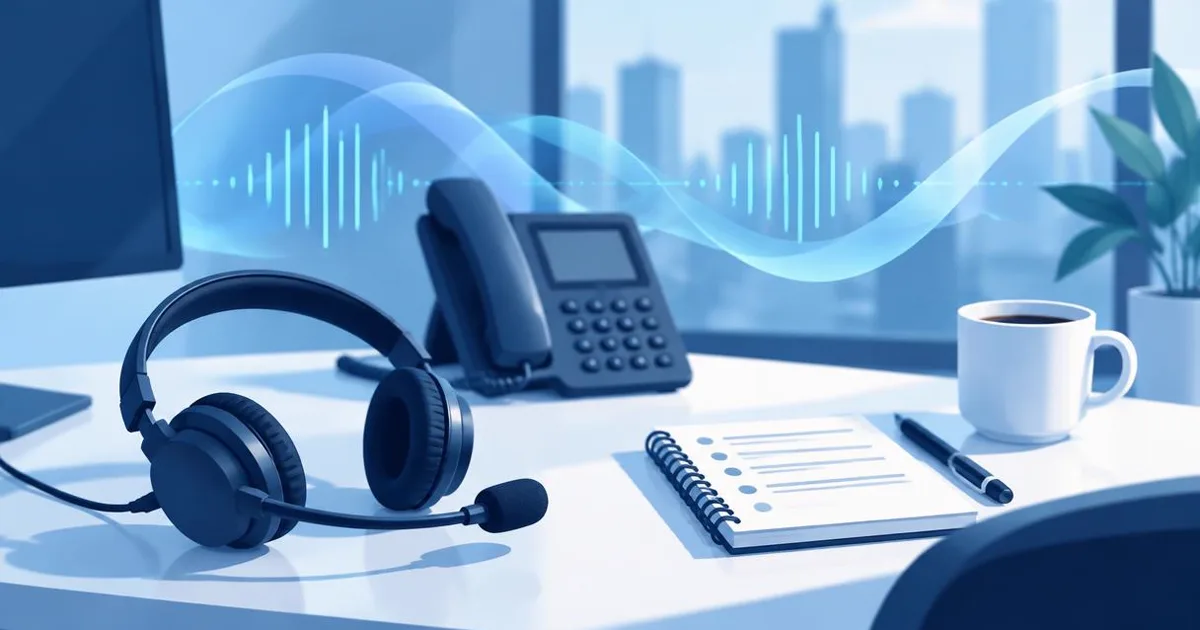
Phone outreach to local businesses still works, but the first thirty seconds decide almost everything. A small business owner or front-desk employee is usually busy with customers, and they will decide quickly whether your call is worth their time. A clear, respectful opening earns a conversation; a vague or pushy one ends the call.
This framework is designed for B2B sellers who call the main business line, which is what most delivered business leads include. It covers preparation, the opening, handling the gatekeeper and closing for a next step.
Before you dial
Preparation takes a minute per call and doubles your chances.
- Know the business type and what they likely buy. A liquor store, a dental office and an HVAC contractor have very different needs.
- Check the website. Look at hours, services and anything relevant to your offer.
- Choose the time. Avoid rush periods: lunch for restaurants, mornings for repair shops, evenings for salons.
- Have one clear reason for calling. Not a list of every product you sell.
Write the reason in one sentence before you dial. If you cannot, you are not ready to call.
The first ten seconds: who you are and why
Open with your name, your company and the reason for the call in one breath. For example:
"Hi, this is Sam with Northside Supply. We deliver cleaning and paper products to restaurants in this area, and I'm calling to see who handles ordering for the kitchen."
That sentence tells the listener three things: you are a real person, you work with businesses like theirs, and you know what you need. It avoids fake familiarity ("How are you today?") and avoids pretending you have spoken before.
Seconds ten to twenty: reach the right role
Most calls are answered by someone other than the decision-maker. Treat that person as a colleague, not an obstacle. Ask for a role rather than a name:
- "Who usually handles ordering for the store?"
- "Is the owner or manager the right person for vendor questions?"
- "When is a good time to reach them?"
If the decision-maker is unavailable, ask when they will be in, and whether there is a better way to reach them. Write down the answer and the name of the person you spoke with.
Seconds twenty to thirty: earn the next step
When you reach the decision-maker, repeat your reason briefly and ask a question that invites a short answer:
- "Are you happy with your current delivery schedule?"
- "Would it help to compare prices on the five items you order most?"
- "Do you ever run short on stock before the weekend?"
Then propose a small next step: a sample, a price comparison, a five-minute visit or an email summary. Small asks get yes answers more often than requests for a long meeting.
Handling common responses
"We already have a supplier."
That is normal. Respond with respect: "That makes sense. Many of our customers use us as a backup when their main supplier runs short. Would it be okay if I sent our price list so you have it?"
"Send me an email."
Confirm the address, send a short message the same day and reference the call. Keep it to a few lines with one clear offer.
"Not interested."
Thank them and ask whether you can check back in a few months. If they ask you not to call again, record it and honor it.
Respecting the rules
Business calls still carry obligations. Understand how calling rules apply to your outreach, review the national Do Not Call registry information and keep a do-not-contact list that everyone on your team uses. Never misrepresent who you are or why you are calling.
Tracking calls properly
Record every call outcome in a consistent way:
- No answer or voicemail
- Spoke with gatekeeper, decision-maker unavailable
- Spoke with decision-maker, next step agreed
- Not interested or do not contact
Over time, those records show which business types, times and openings work. They also prevent awkward repeat calls.
Building a call list that is worth calling
A call session is only as good as the list behind it. Each business should have a working phone number and a real street address so you know where it is and can plan visits. With the business lead finder, every delivered lead includes a business name, phone number and street address, plus website and email when available. Search by ZIP code to keep call blocks focused on one area.
A sample call block
- Prepare twenty businesses of one type in one area
- Review websites and note one detail for each
- Call during the quiet window for that business type
- Log outcomes after each call
- Send promised emails immediately after the block
A focused block of twenty well-prepared calls is usually more productive than a hundred unprepared ones.
Leaving a useful voicemail
When you reach voicemail, keep it under twenty seconds: your name, company, the one-sentence reason and a callback number said slowly twice. Do not pretend to be returning a call.
Summary
The first thirty seconds of a B2B call should cover who you are, why you are calling and who you need, then lead to a small next step. Prepare briefly, respect the person who answers, follow the rules and record every outcome. Done consistently, phone outreach remains one of the most direct ways to start relationships with local businesses.
Sources & further reading
- national Do Not Call registry — donotcall.gov, accessed 2026-10-10
External sources are listed for reference. BusinessLeadSearch is not affiliated with these publishers.
Turn this into a prospect list
Build a targeted list with the business lead finder, or search by ZIP code.