
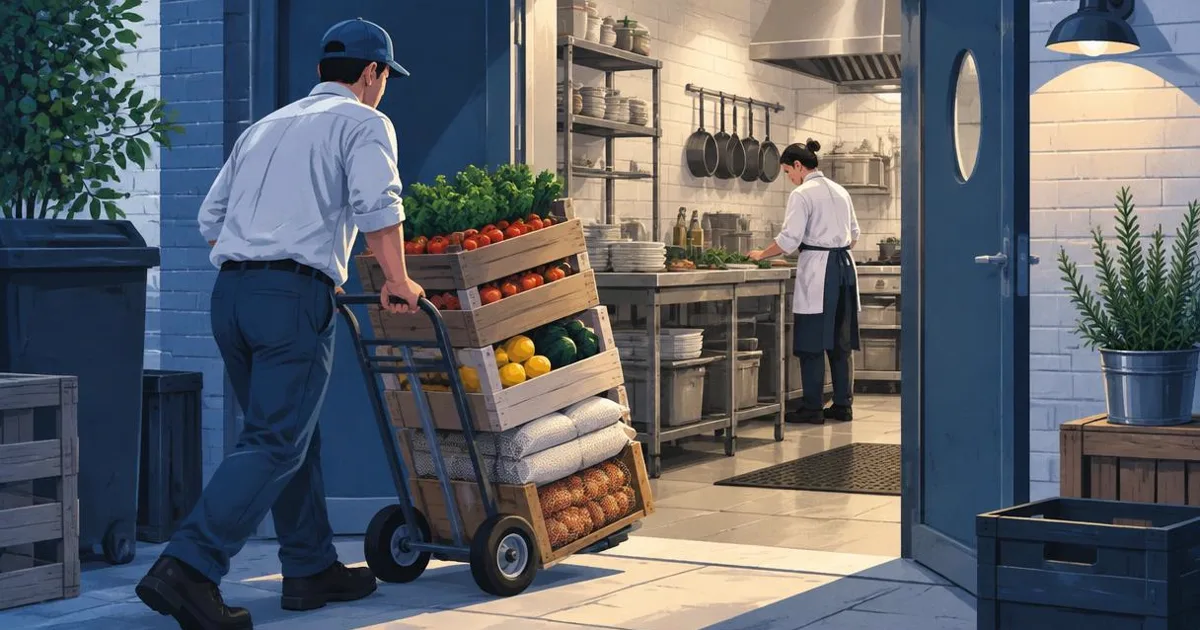
Independent restaurants are a demanding but rewarding market for suppliers. They buy food, beverages, disposables, cleaning supplies, linens, equipment repair, point-of-sale systems and marketing, and the owner or chef usually has real freedom to switch vendors. Chains negotiate centrally; independents decide in the kitchen.
That freedom is the opportunity. This guide covers how to segment restaurants, build a list that matches your delivery routes, and approach owners and chefs in a way that fits how a restaurant actually runs.
Why independents are worth the effort
An independent restaurant owner is often looking for one of three things from a supplier: better product, better reliability or better price on items they buy every week. If you can deliver one of those clearly, you have a reason to be heard.
Independents also tend to buy across categories. A specialty produce supplier who becomes trusted may be asked about dairy. A linen service may hear about a dishwasher that keeps failing. Relationships in this market spread through the kitchen and through the owner's network, which makes each good account more valuable over time.
Who sells to restaurants
Common sellers in this market include broadline and specialty food distributors, beverage and coffee suppliers, packaging and takeout-container suppliers, commercial cleaning and pest control, kitchen equipment sales and repair, uniform and linen services, POS and online-ordering software, and local marketing agencies.
Segment before you prospect
"Restaurants" is too broad to sell into effectively. Before building a list, decide which segments match your product.
- Full-service independents – larger orders, chef involvement, quality-sensitive
- Quick-service and fast-casual independents – volume, consistency and price focus
- Cafes and bakeries – coffee, dairy, baked-goods inputs and packaging
- Bars with kitchens – overlap with beverage suppliers; see bar leads for that segment
- Ethnic and specialty cuisines – often need specific ingredients that broadline suppliers carry poorly
A specialty importer selling regional ingredients and a packaging supplier focused on takeout will build completely different lists from the same city.
Building a list that matches your routes
Delivery economics drive restaurant supply. A new account that sits off your existing route can cost more to serve than it earns. Build your list around the areas your trucks already cover, then fill in the gaps.
Search by delivery area
Start with the cities or ZIP codes on your routes. With restaurant leads you can search for a cuisine or restaurant type in a specific city, state or ZIP code. Every delivered lead includes a business name, phone number and street address, with website and email when the business publishes them.
Check the menu before you call
A restaurant's website or posted menu tells you more than any database field. Look for:
- The cuisine and the ingredients they feature
- Whether they emphasize local, organic or imported products
- Takeout and delivery options, which signal packaging needs
- Hours of operation, which tell you when not to call
Spending two minutes on the menu lets you open with something relevant instead of a generic introduction.
Note the decision-maker by role
In most independents, the owner and the head chef share purchasing decisions. Some restaurants have a general manager who handles non-food vendors. You do not need a personal name to start; asking for "whoever handles ordering for the kitchen" is normal and usually works.
Timing your outreach
Restaurant timing is unforgiving. Calling during lunch or dinner service is the fastest way to be dismissed.
Best windows
For most full-service restaurants, mid-afternoon between lunch and dinner is the calmest period. For breakfast-focused cafes, early afternoon after the morning rush works better. Many restaurants are closed or quieter on Mondays, which can be either a good day to reach the owner or a day they guard for rest; you will learn which applies in your area.
In-person visits
Drop-ins still work in this industry when done respectfully. Arrive between services, bring a sample if your product allows it, and leave a simple one-page summary with your contact details and delivery days. Ask when would be a better time to talk if the kitchen is busy.
What to offer
Restaurants respond to offers they can test with little risk.
- A sample of the product, ideally something used daily
- A trial order with no minimum on the first delivery
- A side-by-side price check on their top ten items
- A clear delivery schedule and cutoff time
Avoid vague promises about saving money. Owners know their margins and will ask you to prove it item by item.
Market context without guesswork
If you want to understand how many food-service businesses are in a county before expanding a route, the Census Bureau's County Business Patterns data includes establishment counts by industry and county. The Economic Census adds broader context on the sector. Neither replaces a real list, but both help you decide where to focus.
Keep the pipeline honest
Track every account: contacted, sampled, trial order, regular customer or not interested. Restaurants open and close frequently, so expect a share of any list to change over a year. Refresh your list periodically, remove closed businesses and add new openings in your delivery area.
A practical starting plan
Choose one delivery route. Build a list of independent restaurants on that route in the segments you serve best. Review menus, plan visits between services and offer a low-risk trial. After a month, compare which segments converted and widen your search to the next route.
When you are ready, the business lead finder lets you search restaurants by city, state or ZIP code, and our local business leads page explains how territory searches work.
Sources & further reading
- County Business Patterns — census.gov, accessed 2026-10-10
- Economic Census — census.gov, accessed 2026-10-10
External sources are listed for reference. BusinessLeadSearch is not affiliated with these publishers.
Turn this into a prospect list
Build a targeted list with the business lead finder, start from restaurant leads, or search by ZIP code.